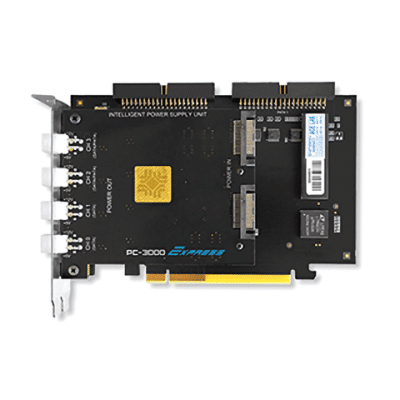
What PC-3000 Is
PC-3000 is a hardware and software platform used by professional data recovery companies and by the technical units of law enforcement agencies. It reaches the drive not from the surface the operating system sees but at manufacturer level: reading the firmware area, inspecting service area modules, editing the head map and allowing a controlled image to be taken from a failing drive.
We have been recovering data in our laboratory since 2007, and this is the platform our hardware side is built on.
What We Do with PC-3000 Utility
- Identify the fault type at hardware level
- Work with the drive through manufacturer commands over adapter and terminal connections
- Read firmware, ROM and service area data off the drive
- Inspect service area modules and repair corrupted ones
- Edit the head map and disable non-functional read heads
- Image everything reachable with the working heads before a head replacement
Imaging with Data Extractor
The critical rule when pulling data off a failing drive is not to run it more than necessary. Every read attempt takes a weak drive a little further down. That is why Data Extractor matters:
- Tuning the imaging strategy to the specific fault
- Prioritising only the area that is actually needed instead of the whole drive
- Using customised templates to shorten read time and spare the drive
- Repairing the file system on the image, without touching the drive again
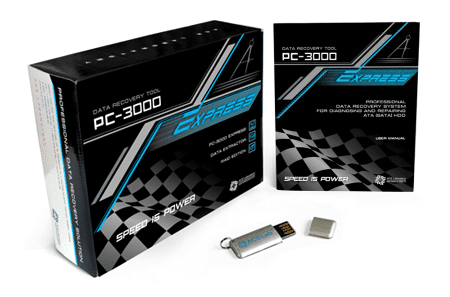
Which Cases It Comes In On
Not every case needs intervention at this level. The platform makes the difference mainly here:
- Hard disk data recovery — drives with firmware faults, drives not detected, drives that click
- SSD and NVMe data recovery — controller faults and chip-level reading
- RAID data recovery — imaging each drive in the array separately
- Server data recovery — controlled reads on interrupted arrays
- DVR and CCTV footage — non-standard file systems
For everything we do, see our data recovery page. If the data loss has just happened, get in touch before powering the drive up again.
Where the Hardware Stops
PC-3000 does not recover every drive, and a laboratory that says it does is worth being careful about. If the platter surface is physically scratched, the data has been overwritten or the encryption key is lost, there is nothing to be done. When we see that in analysis, we report it as it is — and we do not charge for cases we cannot recover.